
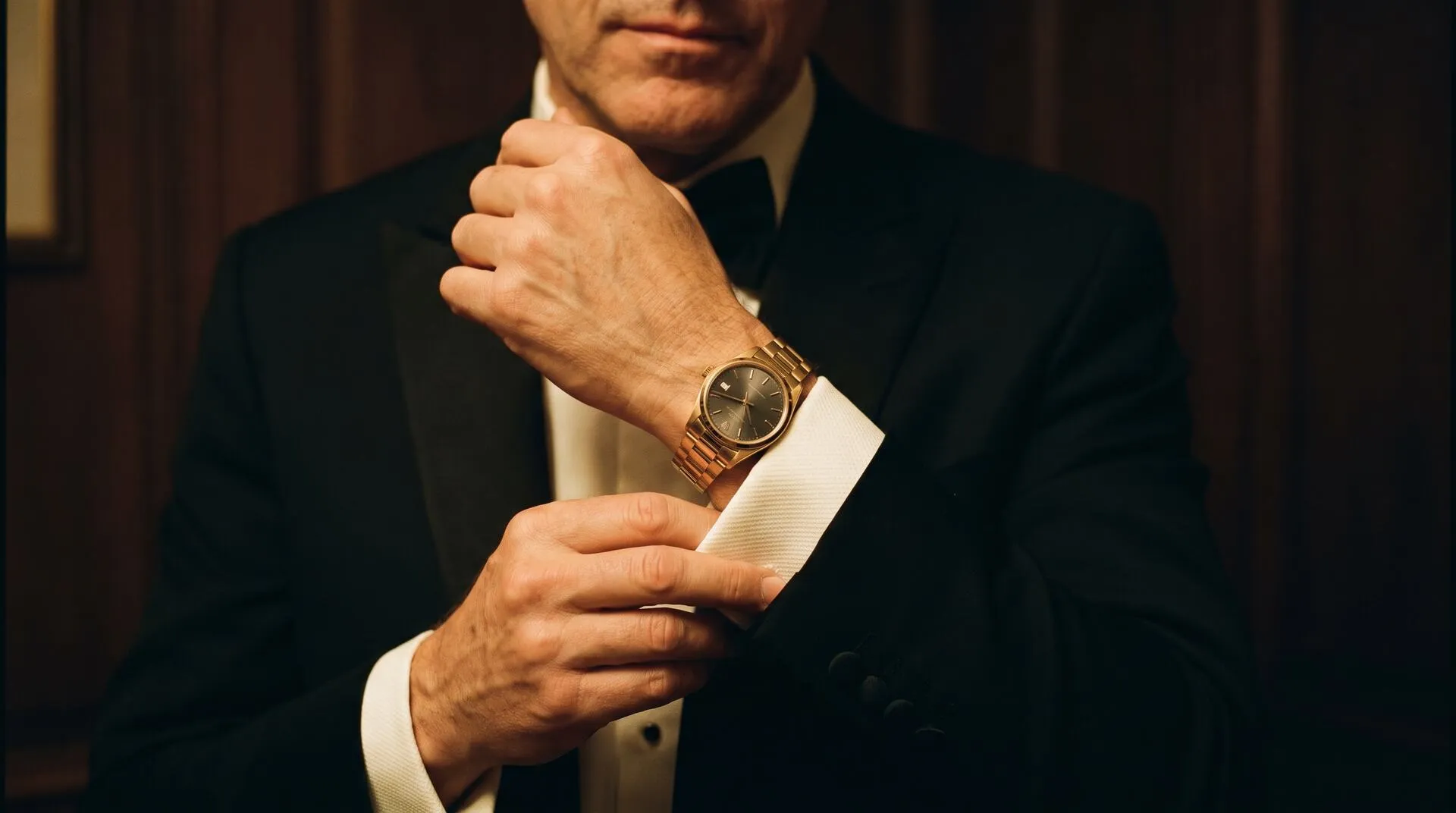
The short answer
To buy a Rolex at auction in Australia, register with a licensed auction house, check the reference, serial, condition and papers on each lot, set a maximum bid that includes the buyer's premium, and bid before the lot closes.
Rolex was founded in London in 1905 by Hans Wilsdorf and moved to Geneva in 1919. The waterproof Oyster case followed in 1926 and the Perpetual self-winding rotor in 1931. Most of today's collected models trace back to the 1950s and 1960s.
Because the designs change slowly, a reference number tells you almost everything about a watch. Learn the references and you can judge any lot.
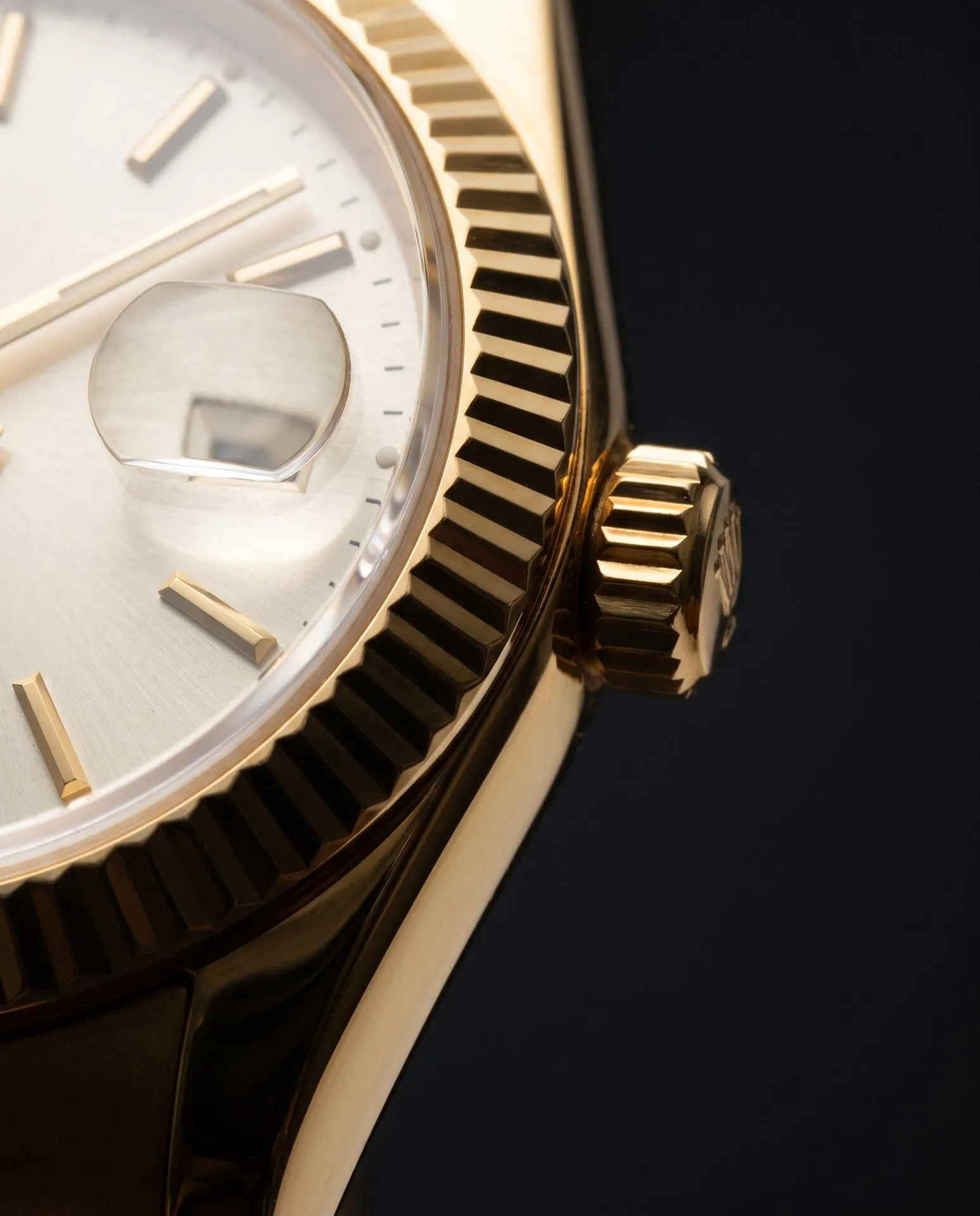


Key Rolex references to know
These are the current and recent references that appear most at auction. Earlier generations have their own numbers, so always match the dial, bezel and bracelet to the reference.
| Model | Introduced | Reference | What to check |
|---|---|---|---|
Before you bid on a Rolex
Six checks that separate a sound purchase from an expensive lesson. Read the full guide: how to spot a fake Rolex.
- IMatch the reference. Dial, bezel, hands and bracelet should all be correct for the reference number.
- IIRead the serial. It should be crisp, engraved between the lugs or on the rehaut, and match any papers.
- IIIJudge the condition. Look for heavy polishing, softened edges, replaced parts and a stretched bracelet.
- IVAsk about service. A recent service adds value. No record means budgeting for one.
- VWeigh the papers. Original warranty card and box add provenance, but do not replace inspection.
- VISet your ceiling. Decide your maximum including the buyer's premium, then leave it as a proxy bid.
Pre-owned, vintage and rare Rolex
Most Rolex lots are modern pre-owned watches, a few years old and bought for daily wear. Vintage Rolex, meaning pieces made before about 1990, is judged on originality: dial, hands, bezel insert and lume should be correct for the reference and year. See vintage watch auctions.
Rare Rolex means discontinued references, short-lived dial variants and precious metal or gem-set models. See rare and collectible watches. Crown sells every Rolex from its own stock, and each is inspected before it is listed.
Rolex model guides
Rolex at auction: questions
How do I buy a Rolex at auction in Australia?+
Register once with Crown Auctions, then browse the current Rolex lots. Read each description and photos, check the reference, serial and condition, and set a maximum bid that includes the buyer’s premium. If you win, you pay online and the watch is delivered or collected.
Can I bid on a Rolex online from anywhere in Australia?+
Yes. Crown’s Rolex auctions run online, so collectors in Sydney, Melbourne, Brisbane, Perth, Adelaide and regional Australia bid on the same lots. Check each lot’s closing time against your time zone.
Is it safe to buy a Rolex at an online auction?+
Yes, when the auction house inspects every watch before listing, describes condition honestly and stands behind authenticity. Check that the house is a licensed Australian business and read its authenticity terms before bidding.
Do Rolex watches hold their value?+
Many steel sports models have traded above their original retail price in recent years, but prices move with the market. Buy a Rolex because you want to wear it, not as a guaranteed investment.
Does a Rolex need box and papers?+
No, but original papers add provenance and raise value. A watch without papers can still be genuine. The physical inspection matters more than the paperwork.
How often should a Rolex be serviced?+
Rolex recommends a service roughly every ten years, depending on use. Ask for the service history, and allow for a service in your budget if none is recorded.
What is the difference between a reference and a serial number?+
The reference identifies the model and configuration. The serial number identifies the individual watch and indicates its production period. Both should match the papers where papers exist.
Crown Auctions is an independent auction house and is not affiliated with Rolex SA. Rolex and model names are trademarks of their owners.